Complete Pest Control Answers: Keep Your Home Pest-Free
Effective pest management solutions are important for creating a relaxing home. Dwellers encounter various challenges from common pests, which can impede daily life. Identifying the signs of infestation is the initial action in managing these matters. While eco-friendly techniques have become widespread, knowing the complete selection of available solutions is necessary. This exploration poses important questions about the balance between self-directed methods and when to seek professional assistance. What strategies will prove most effective?
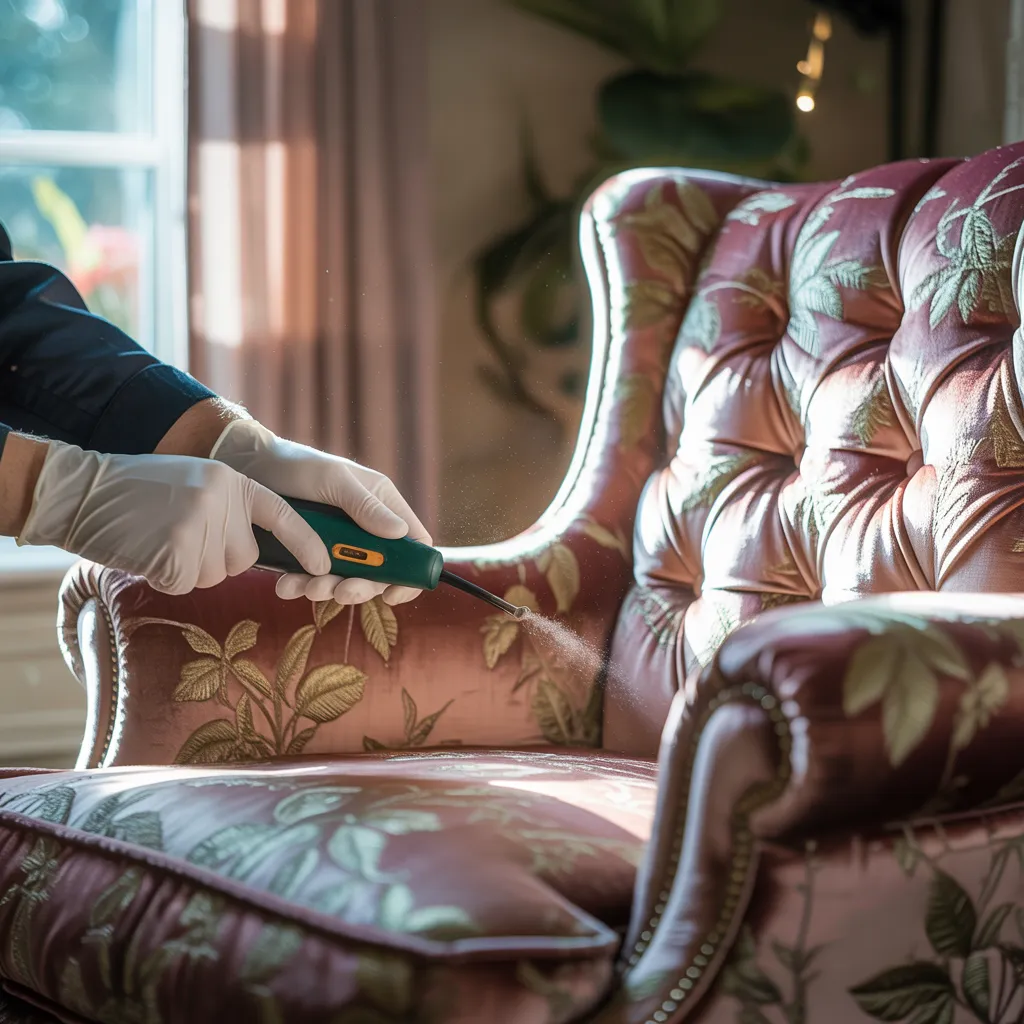
Typical Home Pests and Effective Pest Management
When homeowners discover unwanted guests in their living spaces, they often search for immediate solutions for common household pests. Among these pests, ants, cockroaches, and rodents are commonly found. Ants typically invade kitchens in search of food, while cockroaches flourish in warm, dark areas. Rodents, on the other hand, can create building deterioration and present safety concerns.
Effective pest management starts with identification and prevention. Property owners are advised to block access routes, maintain cleanliness, and remove food supplies. Traps with bait and chemical treatments can be utilized for particular pest problems, though care should be taken to ensure protection of kids and animals. In extreme situations, expert pest management companies may be necessary to execute thorough eradication methods. Understanding the characteristics of these insects and using targeted strategies creates a healthier living environment and mitigates subsequent pest problems.
Identify Indicators of Infestation
Spotting signs of pest trouble is critical for competent pest elimination. Standard markers feature peculiar sounds, pungent odors, and visible droppings or damage to your building. Noticing these symptoms early can help preventing a slight issue from intensifying into a substantial crisis.
Unusual Sounds and Odors
Unusual noises and smells can be significant indicators of a pest infestation. Homeowners may hear scraping, scurrying, or gnawing sounds, especially at night when pests are most active. These noises often indicate the presence of rodents, such as mice or rats, which tend to inhabit walls, attics, or basements. Additionally, certain odors can suggest an infestation. A musty or strong smell may indicate a buildup of droppings or urine, while a unpleasant, rotting scent could indicate the presence of dead pests. Identifying these auditory and olfactory signs is essential for early detection. Timely response to unusual noises and smells can help homeowners take action before a minor issue escalates into a more significant pest problem.
Visible Droppings or Harm
Visible droppings and damage serve as clear indicators of a pest problem. Homeowners should be attentive in identifying these signs, as they can differ significantly between different unwanted creatures. Rodent droppings, for instance, are tiny, dark, and pellet-like, often found in concealed areas or near food supplies. In contrast, insect droppings may resemble tiny specks or grains, depending on the species. Damage can manifest as chewed wires, gnawed furniture, or even wall damage. Such evidence not only points to the presence of pests but also emphasizes potential threats to health and property. Early detection of these indicators is vital for successful pest management and prevention strategies, guaranteeing a healthy and pest-free environment.
Top Natural Insect Management Approaches
While numerous homeowners turn to chemical treatments for pest control, leading natural methods provide powerful alternatives that are both eco-friendly and safe. Essential oils like peppermint and lavender help to repel a variety of insects because of their strong aromas. Diatomaceous earth serves as a natural insecticide, drying out pests on contact. Furthermore, vinegar is a view this flexible remedy that effectively wards off ants and spiders when applied as a spray.
DIY traps such as baited jars for fruit flies may be beneficial. Introducing beneficial insects like ladybugs and lacewings helps managing pest populations without damaging the ecosystem. Moreover, regular cleaning and correct food preservation keep away unwanted guests by removing attractants. Planting herbs such as basil and rosemary around the home can function as natural repellents. By blending these approaches, homeowners can sustain a pest-free environment while fostering a healthier living space.
Comprehending Chemical Pest Management Options
Chemical insect control solutions deliver a spectrum of insecticide types developed to address specific pests efficiently. Mastering these various formulations is vital for effective application and minimizing environmental impact. Additionally, adhering to safety precautions is crucial to guarantee the well-being of both applicators and neighboring ecosystems.
Classifications of Synthetic Pest Control Agents
Pesticides constitute an vital role in current farming operations and pest control efforts, offering a range of solutions intended to focus on specific pests effectively. There are numerous categories of chemical pesticides, comprising insecticides, which control insect populations; herbicides, which target unwanted plants; and fungicides, employed to address fungal infections. Additionally, rodenticides are formulated to remove rodents, while nematicides center on parasitic worms. Each category holds various active ingredients, permitting for tailored approaches founded on the pest type and infestation level. Systemic pesticides are incorporated by plants, providing internal protection, while contact pesticides act on contact with the pest. Understanding these groupings assists in picking the most proper pesticide for effective and efficient pest control.
Safety Steps To Think About
When conducting pest control, it is necessary to give attention to safety precautions to lessen possible risks linked to chemical usage. It is recommended that homeowners read and follow label instructions thoroughly, guaranteeing accurate dosage and application procedures. Wearing personal protective equipment (PPE) like gloves, masks, and goggles is important to shield against chemical exposure. It is wise to keep children and pets away from treated areas until the chemicals have dried and the space has been ventilated. In addition, keeping pesticides stored securely and out of reach prevents accidental ingestion. Finally, considering environmentally friendly alternatives can reduce health risks while still effectively managing pest problems. Taking these precautions ensures a safer environment when carrying out essential pest control measures.
Apply Do-It-Yourself Pest Control Tips
Using DIY pest management tips allows homeowners to manage infestations effectively and economically. Simple approaches frequently employ common household items, making them accessible and budget-friendly. For example, a mixture of vinegar and water can repel ants, while baking soda and sugar can attract and eliminate cockroaches.
Keeping your space clean is crucial; properly storing food and immediately addressing spills help prevent pest problems. Property owners can build defensive walls by filling cracks and sealing gaps near doors and windows. Oils such as peppermint and tea tree oil work as natural insect repellents, delivering a scent-based solution instead of harsh chemicals.
Regularly surveying the home for signs of pests permits early response, stopping larger infestations. Traps and bait stations can be strategically set in high-traffic areas to track and control pest populations. By adopting these DIY strategies, homeowners can maintain a pest-free environment while cultivating a sense of control and responsibility in their living spaces.
When is it time to hire a specialist?
Homeowners may recognize that despite their best attempts with DIY pest control methods, some invasions need professional intervention. Indicators showing the necessity for expert help include persistent pest activity, large infestations, or the existence of pests that create health risks, such as rodents or termites. If initial applications fail to yield results, it may be time to consult professionals who possess expert expertise and tools.
Furthermore, particular circumstances require prompt professional support. These include the discovery of nests in difficult-to-access locations, potential structural damage caused by pests, or when dealing with dangerous insects, like wasps. Homeowners should also think about expert help if they lack the availability or resources to manage the situation effectively. In the end, hiring a pest management professional can guarantee a comprehensive assessment and a strategic plan, providing peace of mind and a pest-controlled environment.
Questions People Inquire About Often
What Ways Can I Use to Keep Pests From Entering My Home?
To prevent pests from penetrating a home, one should seal cracks, put screens on windows, sustain cleanliness, keep provisions safely, and regularly inspect for indications of pest activity. These approaches greatly reduce the likelihood of unwanted visitors.
Can You Discover Any Petsafe Pest Management Solutions?
Absolutely, pet-safe pest management options exist. Natural repellents, essential oils, and traps designed specifically for use around pets are able to successfully deter pests without injuring animals. Always check product labels for safety guidelines.
What Are the Costs Related to Pest Control Services?
Fees tied to pest control services vary considerably, often falling from $100 to $300 for initial treatments. Periodic maintenance plans may total $40 to $70 monthly, determined by the extent of the infestation and service frequency.
What Timeframe Can You Anticipate from Pest Control Treatment Longevity?
Pest control service typically extends from a few weeks to multiple months, depending on the kind of pest and the treatment method employed. Regular follow-ups may be necessary to maintain effectiveness and avoid re-infestation.
Do Unwanted Creatures Return After Treatment, and What Can I Do to Avoid That?
Insects may come back after treatment if improperly managed. Protective methods include sealing off entry points, maintaining hygiene, and regular assessments. These actions help reduce the risk of pest resurgence and maintain a pest-free environment.